Exterior concrete coating
Outdoor concrete can quickly be damaged by moisture, green algae, and mold without protection. With Osmo coatings and oils, the surface stays looking good longer, remains water-repellent, and is sustainably protected against weather influences.
Products in this knowledge item;
Protecting outdoor concrete
Concrete is widely used as a building material for fences, balconies, and tiles. Because concrete is porous, it needs protection. Without a coating, concrete can be damaged by moisture, green algae, and mold. Applying a coating protects the concrete, extending its lifespan, and also enhances its appearance.
Benefits of Osmo Stone and Terracotta Oil
- Ideal for protecting surfaces such as natural stone, artificial stone, and terracotta
- Provides transparent protection
- Makes the surface water- and dirt-repellent
- Significantly reduces dust from screeds and concrete surfaces
- High coverage: 1L treats up to 50 m²
Supplies for coating outdoor concrete
Treating outdoor concrete with Osmo
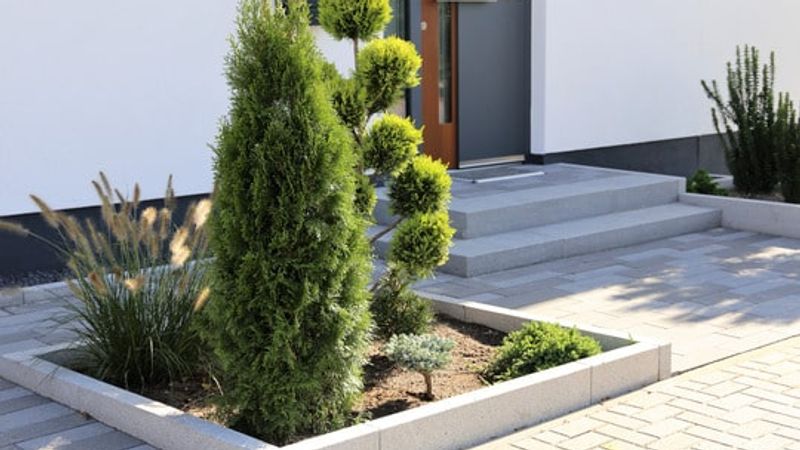
Concrete used outdoors, such as for tiles or fences, can be treated with Osmo Stone and Terracotta Oil. This oil impregnation is specially developed for porous exterior stone and terracotta surfaces. As the name suggests, it can also be used on terracotta pots and tiles. The coating provides long-lasting protection against moisture, dirt, algae, and mold.
Osmo Stone and Terracotta Oil gives a colorless finish to the surface, enhancing the natural look as if it were wet. The oil is made from natural, plant-based ingredients, such as sunflower oil and soybean oil. With 1 L of coating, you can treat up to 50 m², offering excellent coverage. Additionally, this exterior concrete coating does not form a surface film, as it penetrates the concrete. Dust from outdoor concrete floors is greatly reduced after treatment.
How to coat concrete outdoors?
Apply the concrete coating with an Osmo Brush, Floor Brush, or Microfiber Roller. Apply very thinly and spread evenly. Always test first to check adhesion and the result.
After 20 minutes, remove any excess product with a Fleece Pad or Easy Pad Polishing Cloths. The liquid oil must be absorbed into the surface; no oil should remain on top.
Allow 8–10 hours to dry, ensuring good ventilation. The coating must not get wet during drying.
Apply the second layer very thinly as well, removing any excess product again. Let this layer dry for 8–10 hours too.
When renovating previously oiled surfaces, usually only one layer on a cleaned surface is sufficient.
Painting concrete outdoors
When painting concrete, a solid colored layer is applied. Osmo Landhuisverf is the right product for painting concrete. This concrete paint is especially suitable for exterior concrete posts, walls, and fences. It is not recommended for floors or terraces, as the high pigment content may cause cracking on these surfaces. On vertical surfaces, such as facades and fences, this does not occur. Osmo Concrete Paint (Landhuisverf) is available in 21 different colors and protects concrete against moisture, UV radiation, algae, and mold. Since every concrete surface reacts differently to coatings, it is always recommended to first perform a test on an inconspicuous spot to check adhesion and results.
Coating concrete indoors
If you want to coat concrete indoors, Osmo Concrete Oil is the right product. This oil is suitable for all indoor concrete floors, walls, and kitchen surfaces. Concrete Oil provides a protective layer against water, dirt, and stains. It dries semi-matte, giving a slight gloss, and does not form a surface film on the concrete. The coating makes the surface water- and dirt-repellent as well as stain-resistant. Dust from the concrete is also greatly reduced after application. Osmo Concrete Oil is only suitable for indoor concrete. For outdoor concrete, Osmo Stone and Terracotta Oil is the appropriate product.
Color examples
Products for treating concrete
Need help with your DIY project?
Are you looking for a tutorial or do you have a technical question?
DIY help needed?
find a step-by-step guide for your project in our tutorial overview