Wash effect
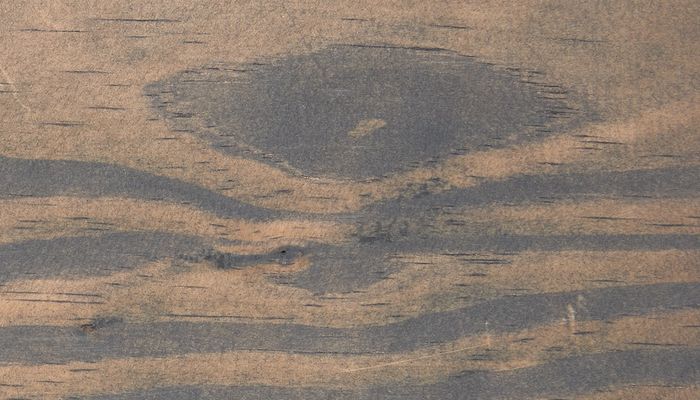
A wash effect gives wood a light, greyed, or whitewashed appearance while the wood grain remains visible. With Osmo Oil Stain, you create this effect by rubbing the product in and then finishing it with a colourless topcoat for long-lasting protection against moisture, dirt, and wear.
Products in this knowledge item;
What is a wash effect on wood?
In the world of interior design, the ‘wash effect’ on wood holds a special place. But what exactly does this technique entail, and how do you apply it to wooden surfaces? We would be happy to explain everything about the wash effect.
What is a wash effect?
The wash effect, perhaps better known as the white or grey wash effect, has been used for centuries to give wood a weathered yet fresh look. As early as the Middle Ages, it was used to create rustic farmhouse styles. The effect emphasizes the wood grain and gives the wood a lighter, more pastel tint, while preserving the natural texture of the wood. The trick of the wash effect lies in the application method. By rubbing a product into the wood with a pad or cloth, it is primarily the rough parts and grain of the wood that are colored. It gives wood a ‘washed’ appearance, hence the name wash effect.
The benefits of the wash effect
The aesthetic appeal of this technique lies in the elegant and timeless look it gives to wood. It offers a timeless design that fits both rustic and country interior styles. Moreover, a wash effect emphasizes the natural grain of the wood, adding an extra dimension to your piece of furniture or flooring. While the wood acquires a new color tone thanks to a wash effect, its natural appearance is preserved. This means you can enjoy the best of both worlds: a renewed surface that still showcases the rich, natural details of the wood.
How do you create a wash effect?
Creating a wash effect on wood is a relatively simple process. No professional experience is required, but to guarantee a professional result, there are a number of things you need to pay attention to. We are happy to give you some tips and tricks.
Good preparation
Start with a clean, dry, and well-sanded surface. This ensures an even application. Are you working with new or untreated wood? Then sanding is not always necessary, but it may be necessary to thoroughly clean the wood first. However, always ensure that the wood is rough enough to absorb the pigment. Is the wood finely finished? Then make sure to roughen the wood with 120 grit to guarantee good adhesion of the product.
Choose the right products
Use a high-quality product to create the wash effect, such as Osmo Oil Stain. The quality of a stain can have a significant impact on the final appearance of a wooden surface. For instance, a high-quality stain often gives the surface a uniform color, as it can penetrate deeper into the wood. This results in a richer and more balanced appearance. Often, a high-quality stain is also easier to apply and reacts better to the wood.
Applying the wash
As mentioned earlier, the trick to the wash effect lies in how the product is applied. It is precisely by applying the product to the wood with a buffing motion that the washed effect is created. This is best done with a white pad on a pad holder. This allows you to work economically and easily. Work quickly during application to avoid overlaps. When buffing out the stain, use a dry cloth or a handy fleece pad on a hand pad holder. Use this to wipe away excess stain to achieve the desired effect.
Applying a wash effect?
Maintenance of a wash effect
The care and maintenance of a wash effect are crucial to preserving its fresh and bright appearance. To facilitate maintenance, it is best to finish a wash effect with a colorless topcoat. A polished layer on the wood alone is generally not sufficient to provide optimal protection, as only a small amount of product is applied to the wood with a polished layer.
To still offer the wood protection against moisture, dirt, and damage, you can apply a colorless finish as a topcoat. The colorless Osmo Hardwax-Oil Original or a colorless variant of Osmo TopOil offer the wood optimal protection against all kinds of potential threats and allow for easy maintenance. Both products can be applied without problems over a wash layer of Osmo Oil Stain. Ensure that the surface is regularly cleared of dust and avoid contact with aggressive cleaning agents to extend the lifespan of the wash layer.
Conclusion
The wash effect is more than just a trend; it is a timeless choice that adds depth and character to wooden surfaces. With this technique, you can make a wooden surface unique and your own. Do you have questions about applying a wash effect or do you need help choosing a product? Contact us. We are happy to do our best to help you!
Need help with your DIY project?
Are you looking for a tutorial or do you have a technical question?
DIY help needed?
find a step-by-step guide for your project in our tutorial overview