Impregnating Douglas fir: optimal protection
Impregnating Douglas fir provides extra protection against moisture and mold. Read when impregnation is beneficial.
What you need for this tutorial;
Douglas fir is popular for its warm color, robust appearance, and high durability. But did you know that this type of wood – despite its strength – is susceptible to external influences such as moisture, UV radiation, algae, and fungi? If you want to keep your garden shed, fence, or canopy looking beautiful for a long time, impregnation is not an unnecessary luxury. In this article, we explain how to impregnate Douglas fir and thereby make it waterproof. Whether you are starting a new project or want to protect existing garden wood: impregnating wood yourself is easier than you think.
Why do you need to impregnate wood?
Most hardwoods are naturally reasonably weather-resistant, but without additional protection, the wood will eventually gray, warp, or rot. Impregnating the wood makes it waterproof and provides it with extra protection, which brings a number of benefits:
- Extends the lifespan of the wood.
- Protection against wood rot, fungi, and algae.
- Impregnation limits the impact of moisture and UV radiation.
- Preserves the natural color and appearance of the wood.
- Reduces shrinking and expanding of the wood.
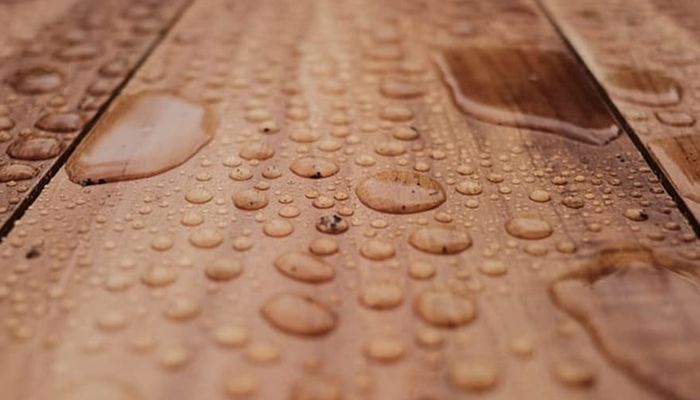
A good impregnating agent penetrates deep into the wood and forms an invisible protective layer that lasts for years – making it a sustainable choice. After impregnation and finishing, the wood is waterproof, and water beads on the surface.
Benefits of Osmo Wood Impregnation WR Aqua 4019
Osmo Wood Impregnation WR Aqua 4019 is ideally suited for outdoor projects such as canopies, garden sheds, fences, and garden furniture. Impregnating with Osmo offers unique benefits.
Benefits at a glance:
- Penetrates deep into the wood and forms permanent protection.
- Provides effective protection against harmful influences: sun, weather conditions, fungi, and insects. This ensures a longer lifespan for your Douglas fir wood.
- Effective prevention against wood discoloration without losing the natural appearance.
- Microporous: the wood can continue to breathe. Reduces swelling and shrinking of the wood.
- Easy to apply yourself.
Preparation
- Remove dirt, dust, cobwebs, green deposits, and mold from the surface. To remove algae, you can use Osmo Deck Cleaner, an eco-friendly solution suitable for all wood types. This ensures a clean surface as well as good adhesion of the impregnating agent.
- Has the wood turned gray? Then choose Osmo Power-Gel Wood De-grayer to restore the surface to its original color. If you do not remove this contamination, the impregnating agent cannot penetrate deep into the wood.
- Is there an old layer of varnish or stain on it? Remove it by sanding or with Osmo Paint Stripper.
Step-by-step plan: impregnate Douglas fir yourself
Impregnating wood yourself is an effective way to protect Douglas fir from the inside out. Follow the step-by-step plan below for a durable result.
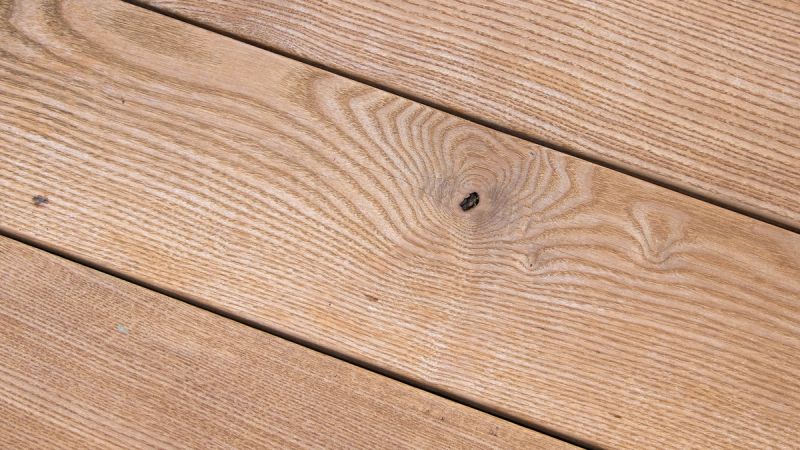
Check if the wood is dry and untreated.
Before you begin application, it is essential that the wood is completely dry. A dry surface ensures that the impregnating agent can penetrate deeply and adhere well. Untreated wood is the best base for this: old paint layers, stain, or oil prevent the product from penetrating. Therefore, always check that you are working with clean and untreated wood.
Apply the impregnating agent
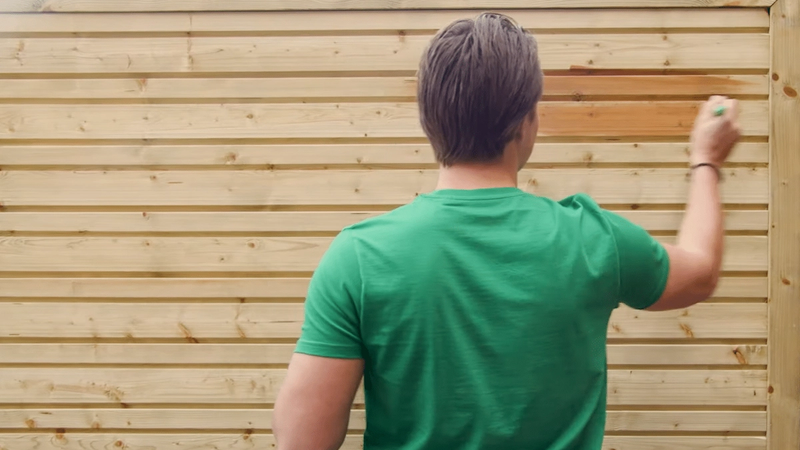
Apply Osmo Wood Impregnator WR Aqua 4019 generously. This impregnating agent penetrates deep into the wood and offers long-lasting protection against harmful influences such as moisture, algae, fungi, and wood rot. Allow for a consumption of 4-6 m²/l.
How to apply:
- Use a wide brush, roller, or spray gun.
- Apply the product in the direction of the wood grain.
- Avoid puddles or thick layers – the product must soak in evenly.
- Ensure the ambient temperature is between 10 and 30°C for the best results.
Let the wood dry thoroughly
After application, the wood must dry for at least 12 hours. Ensure that the wood is not exposed to rain or condensation during this period. During this time, the impregnating agent penetrates deep into the fibers and forms a protective layer from within.
Apply a protective finish
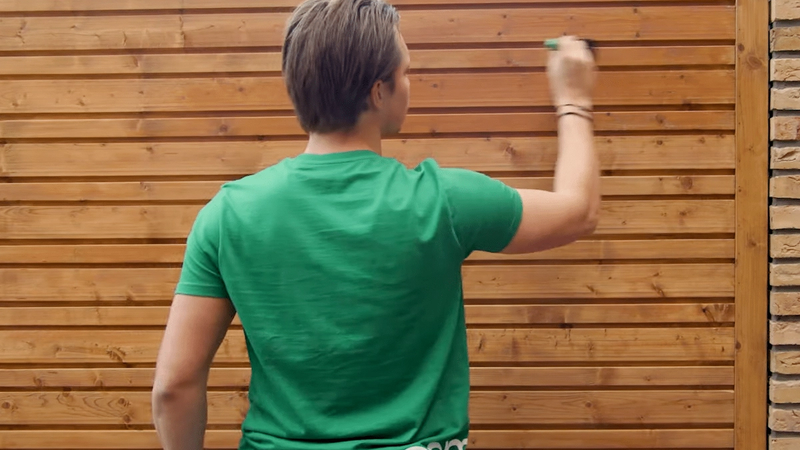
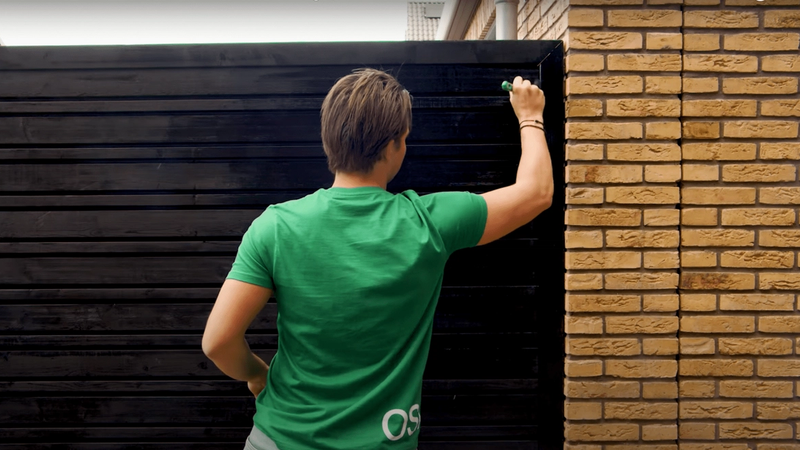
Impregnation protects the wood from the inside out, but a topcoat provides protection from the outside. This is especially important during prolonged exposure to sun and rain. Depending on your desired look, choose:
- Osmo Natural Oil Stain: for a transparent finish that preserves the wood grain.
- Osmo Country House Paint: for an opaque colour coat with maximum UV protection.
Tips for optimal results
- Preferably apply the impregnation in the morning or afternoon so that the sun does not cause the product to dry too quickly.
- Always apply thin coats: this prevents discoloration and ensures an even finish.
- Use a low-pressure sprayer for larger surfaces such as facades or fences.
- Always test the product on an inconspicuous area first to assess the wood's absorption and color.
- Impregnating wood does not provide sufficient protection against UV radiation. Finish the surface with 2 coats to ensure it lasts longer.
Benodigdheden
Frequently asked questions
This tutorial belongs to
What you need for this tutorial;
Need help with your DIY project?
Are you looking for a tutorial or do you have a technical question?
DIY help needed?
find a step-by-step guide for your project in our tutorial overview