Treating mango wood: how to protect your furniture for years of enjoyment
Mango wood has a unique appearance, but requires the right treatment. Read how to protect mango wood against stains, drying out, and wear, while preserving its character.
What you need for this tutorial;
Mango wood is popular in many interiors due to its rugged, warm appearance and striking grain pattern. You see it in tables, cabinets, and accessories. Although this type of wood is hard and durable, it naturally lacks a protective layer. As a result, it is susceptible to stains, moisture, and discoloration.
Do you want to protect your mango wood furniture against rings, water, and dirt? Then treating it with a good oil such as Osmo TopOil is essential. In this step-by-step guide, you will read everything about treating mango wood, the look you can create, and how to keep your table or furniture looking beautiful.
Preparation: treating mango wood
Proper preparation ensures that the oil is absorbed well into the wood and that the surface is finished evenly and durably.
1. Sanding (if necessary)
Has the mango wood been previously treated with a non-oil product (such as lacquer, paint, or stain)? Then sand it with grits 40, 80, and 120 until the surface is smooth and free of old layers.
2. Oiled wood
Does the furniture already have a layer of oil? Then create a test area first. If the oil is absorbed well, you can treat it directly without sanding.
3. Untreated wood
With completely untreated mango wood, you can start oiling immediately.
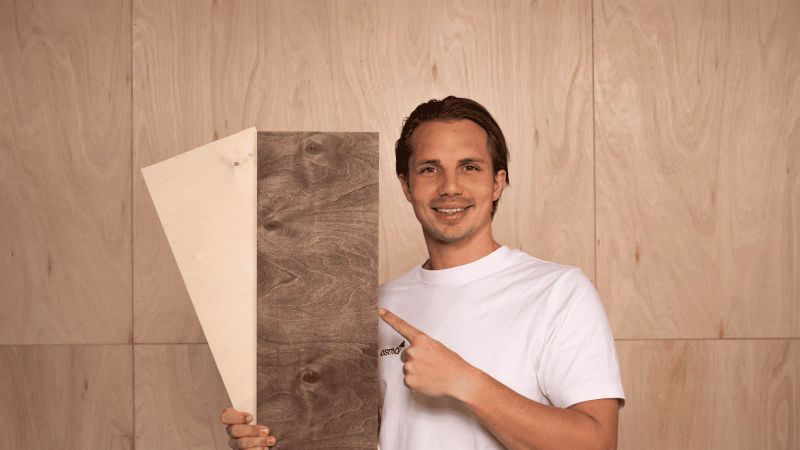
💡 Tip: Use a sample to test beforehand what look you want to achieve.
Step-by-step plan: oiling mango wood
Choose the desired look
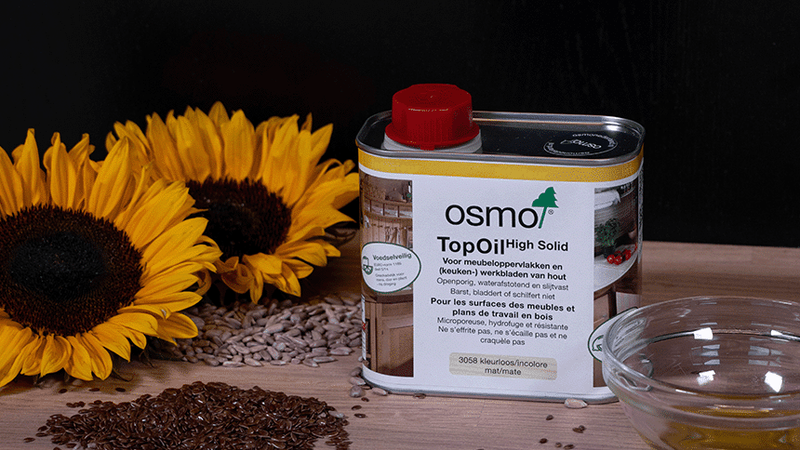
You can treat mango wood with Osmo TopOil in various variants, depending on the desired look:
- Wet look: Use TopOil Original for a warm look with a slight sheen.
- Add color: Choose one of the color variants and finish with a colorless TopOil as a top coat.
Apply the first layer of oil
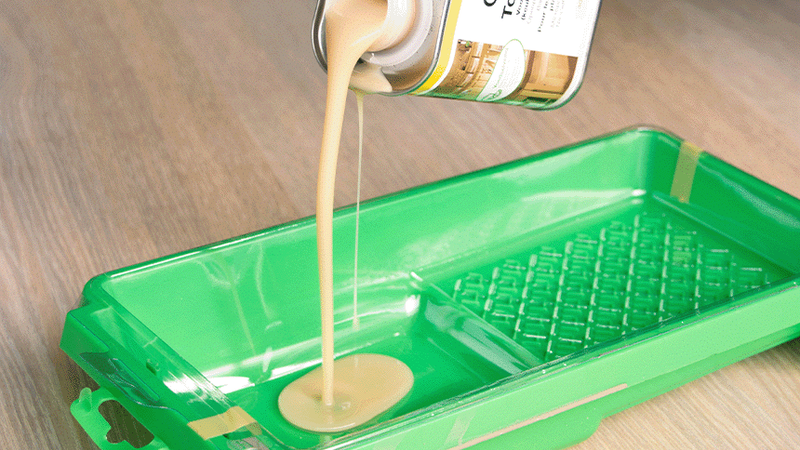
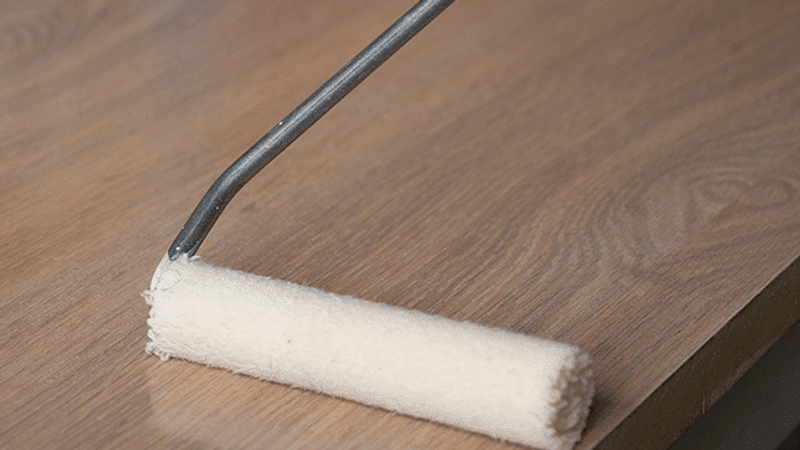
Use a microfiber roller for flat surfaces and a brush for corners and hard-to-reach areas. Work in the direction of the wood grain and apply a thin layer. Too much oil will cause stickiness. Roll over thoroughly.
Let dry
Let the oil dry for 8 to 10 hours at room temperature. Ensure adequate ventilation in the room.
Apply a second coat
Apply another thin layer with a roller or brush. Allow this layer to dry completely as well. After this treatment, your mango wood furniture is dirt- and water-repellent, without losing its natural beauty.
Benefits of Osmo TopOil for mango wood
Osmo TopOil is specially designed for small wooden surfaces such as tables, countertops, and furniture. It offers not only a beautiful finish but also strong protection.
- Food-safe: perfect for kitchens, dining tables, or cocktail tables
- Water, wine, and beer repellent
- Protects against stains and dirt
- Penetrates deep into the wood and does not form a plastic layer
- Creates a natural look with visible wood grain
- Easy to apply with a roller, brush, or pad
Tips for the best results
- Use a slightly damp cloth to remove dust before you begin.
- Allow treated surfaces to cure for at least two weeks before subjecting them to load. Pay attention to accessories where air cannot circulate underneath.
Supplies
To treat mango wood, you need the following items:
And finally, you also need sandpaper (grit 40/80/120).
Color examples
Osmo TopOil is available in seven variants, including:
- Transparent glossy or matte (3058 and 3028)
- Natural 3068 for the untreated effect
- Color variants such as 3037 (Amber), 3038 (Terra), 3039 (Graphite), and 3061 (Acacia)
In all variants, the mango wood grain remains visible, emphasizing the natural charm of the wood.
Maintaining mango wood
Well-maintained furniture stays beautiful longer. Follow this maintenance advice for long-lasting protection:
- Daily cleaning: use Osmo Spray Cleaner and a dry cloth
- For light wear: apply Liquid Maintenance Wax
- Need a new protective layer? First clean with Intensive Cleaner, then treat with Osmo Maintenance Oil
Note: do not use aggressive cleaning agents or abrasives.
Frequently asked questions about treating mango wood
This tutorial belongs to
What you need for this tutorial;
Need help with your DIY project?
Are you looking for a tutorial or do you have a technical question?
DIY help needed?
find a step-by-step guide for your project in our tutorial overview