Wood stain: Handy tips & step-by-step plan
Wood stain protects and enhances wood indoors and outdoors. Read what stain does and how to apply it correctly.
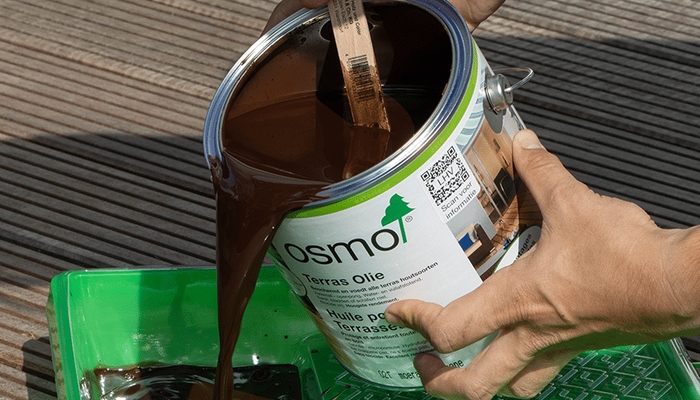
What you need for this tutorial;
Do you want to optimally protect your wooden surfaces while preserving their natural appearance? Wood stain is ideal for protecting wood against moisture, UV radiation, and the elements. In this article, you will discover everything about wood stain and which types best suit your project. Looking to buy stain? At Osmo, the selection is huge; read on.
Preparation for wood stain
Proper preparation ensures that the wood stain adheres well and provides long-lasting protection. Additionally, a color test on a small piece of wood helps you determine if the chosen stain meets your expectations.
- Sanding (for wood with old paint layers)
Sand the surface thoroughly with sandpaper to remove old paint, varnish, or stain. Start with a coarse grit (40) and then work with finer grits (80-120) to achieve a smooth surface. - Untreated wood
For untreated wood, sanding is usually not necessary. Ensure the surface is clean and dry before you begin. In most cases, the stain penetrates untreated wood faster. Two coats are necessary. - Grayed or soiled wood
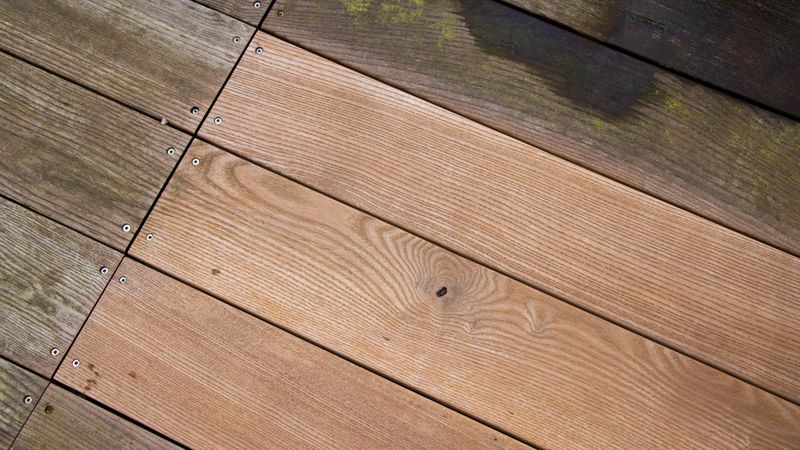
Wood that has grayed due to weathering should first be treated with a degreaser, such as Osmo Power-Gel. This restores the natural appearance of the wood. Once dry, you can begin staining.
Step-by-step plan: Applying wood stain
Follow this step-by-step plan to optimally protect your wooden objects with a good stain.
Clean the surface
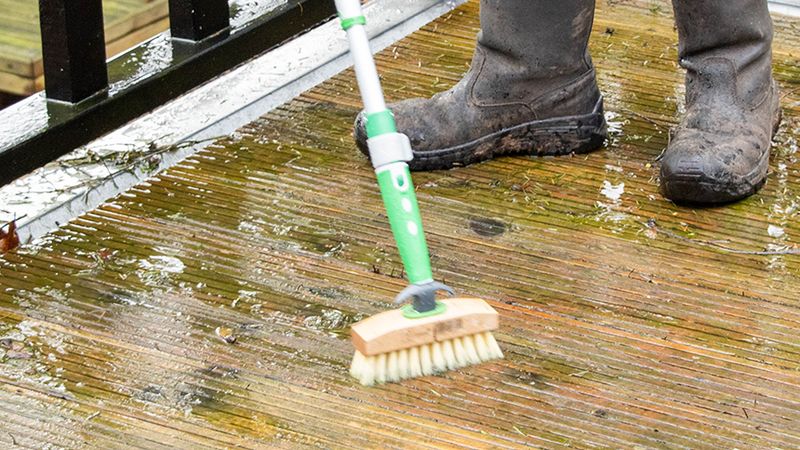
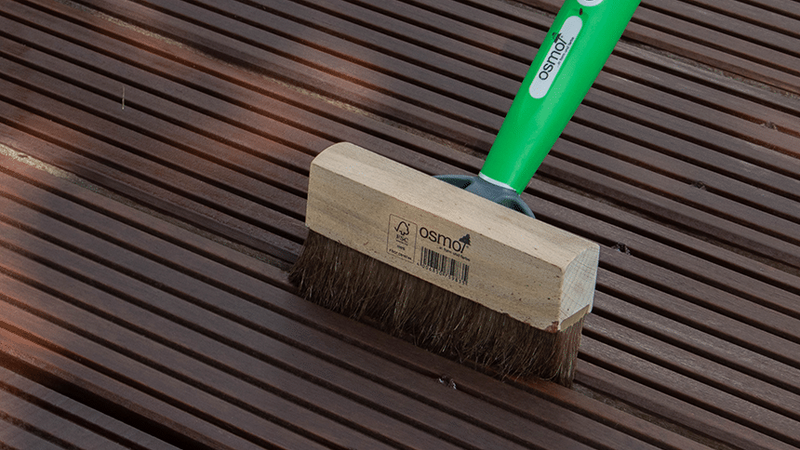
Use the Osmo Patio Brush or another hard brush to remove dirt, dust, and old residue. For stubborn dirt on garden wood or fences, you can use a special cleaner, such as Osmo Patio Cleaner. Preferably work on a dry day with temperatures between 10°C and 25°C.
Choose the right stain
Osmo offers various types of stain in its range. Depending on the desired result, you choose the right stain:
- Transparent stain: For wood with a natural look, where the wood grain remains visible.
- Opaque stain: This stain provides a fully opaque layer and offers extra protection against UV rays.
- Water-based stain: Suitable for various applications, with a faster drying time and minimal odor.
Osmo offers a wide range of stains, including pigment options and colorless variants. Order a sample to test the desired color.
Apply the first coat of stain
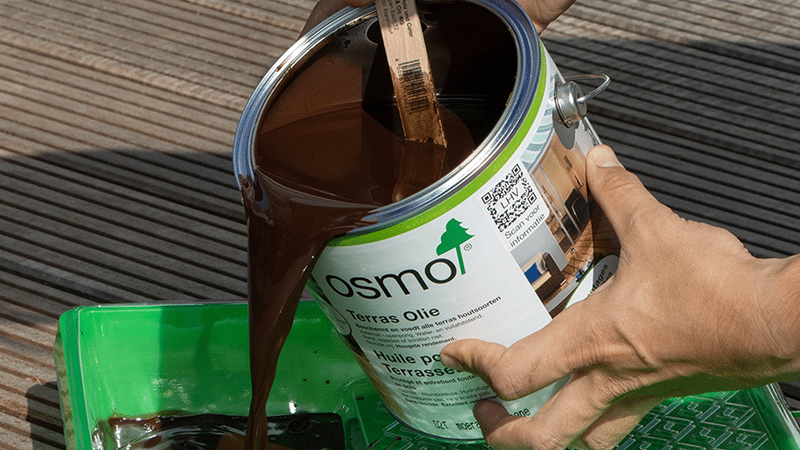
- Stir or shake the stain well.
- Apply a thin layer evenly with a brush or roller. Always work in the direction of the wood grain.
- Allow the layer to dry thoroughly (12-24 hours) and protect the surface from moisture or rain during drying.
Apply second layer
For maximum protection, apply a second coat. This provides a durable protective layer and prevents the wood from warping due to weather conditions.
Allow the stain to cure completely.
Avoid contact with water until the stain has fully cured. After drying, check if the surface is even and if any drips or stains need to be removed. You now have impregnated wood.
Benefits of wood stain
- Optimal protection: Stain protects against moisture, UV radiation, and dirt.
- Natural appearance: Transparent stain preserves the visibility of the wood grain.
- No primer needed: Stain can be applied directly to untreated wood.
- Long-lasting protection: With regular maintenance treatments, the wood remains protected for years.
Tips for the best results
- Apply in thin coats for an even finish and good coverage.
- Use a color test to ensure you get the right color.
Supplies
Color examples
Stain is available in various colors, both transparent and opaque. Transparent stains provide a natural look where the wood grain remains visible. Opaque stains offer a durable color layer with extra protection against UV radiation. In addition, Osmo offers an extensive collection of pigment colors tailored to popular wood types such as Douglas fir and teak.
UV Protection Oil: for vertical wooden parts
Osmo Natural Oil Stain: Popular Colors
Maintenance advice
For long-lasting protection of your wooden objects, follow this maintenance advice:
Cleaning: Clean your wooden furniture or surfaces at least twice a year with a suitable cleaner, such as Osmo Patio Cleaner.
Inspection: Check annually whether the protective layer is still intact. If necessary, treat again with a second coat of stain.
Prevent slipperiness: Keep horizontal surfaces such as decking and patios free of dirt and algae to prevent slipping.
Frequently asked questions about staining wood
This tutorial belongs to
What you need for this tutorial;
Need help with your DIY project?
Are you looking for a tutorial or do you have a technical question?
DIY help needed?
find a step-by-step guide for your project in our tutorial overview