Staining a fence without sanding: here's how to do it quickly and effectively
Staining a fence without sanding sounds ideal, but it requires the right preparation. Read how to do this safely and effectively.
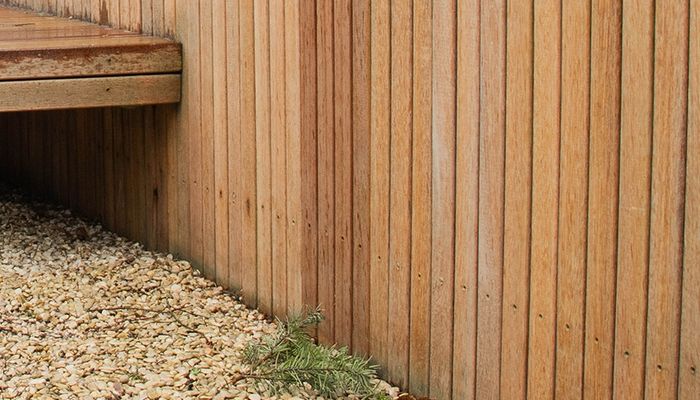
What you need for this tutorial;
Do you want to stain your fence without sanding? Good news: with the right preparation and products like Osmo Natural Oil Stain, sanding is unnecessary in many cases. In this tutorial, you will learn how to easily refresh a wooden fence, even if you want to tackle old stain or discoloration.
Step-by-step plan: Staining a fence without sanding
Staining without sanding might sound too good to be true, but thanks to our products, it is possible. Below, we explain step by step how to do this.
Cleaning the fence
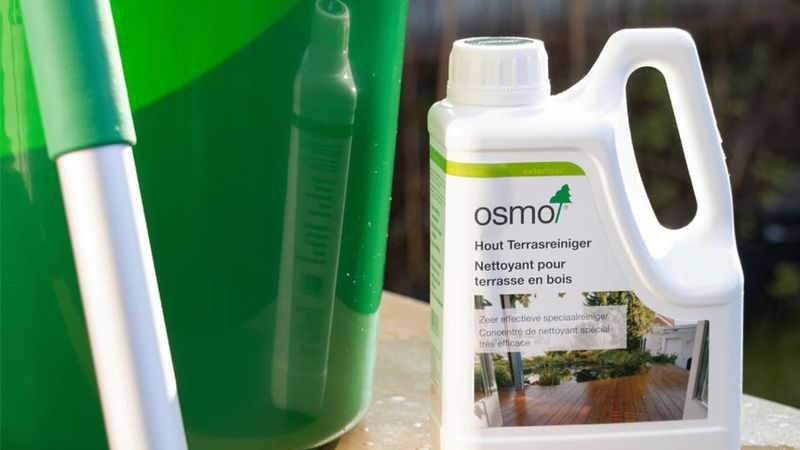
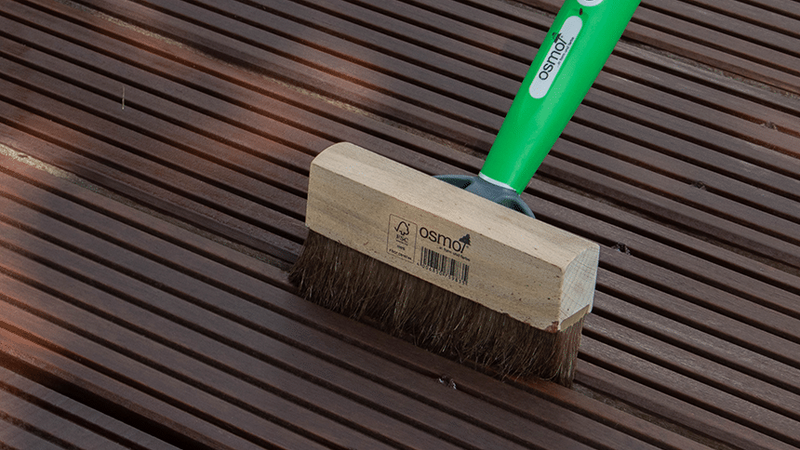
Clean the fence thoroughly with the Osmo Patio Cleaner. Use an Osmo Patio Brush to remove dirt, green deposits, and moss. Rinse with clean water and let the wood dry completely.
Assess the condition of the wood
Untreated wood? No need to sand! Ensure the surface is clean and dry before you begin treatment.
Previously stained wood? Use Osmo Paint Remover Gel to remove old finishes.
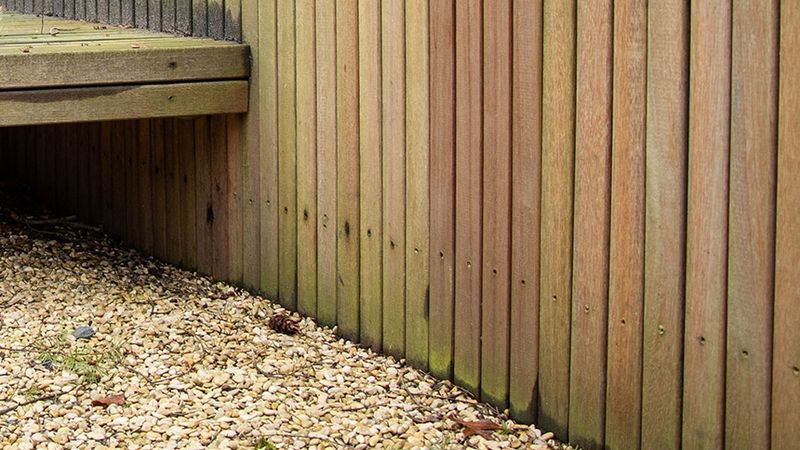
Grayed wood? Treat it first with Osmo Power-Gel Wood De-grayer to restore the natural color and remove the graying.
Let the wood dry thoroughly
A new fence needs to weather for 4 to 6 weeks first. After that, you can de-grey the surface and stain it. Make sure the wood is completely dry before staining.
Apply stain
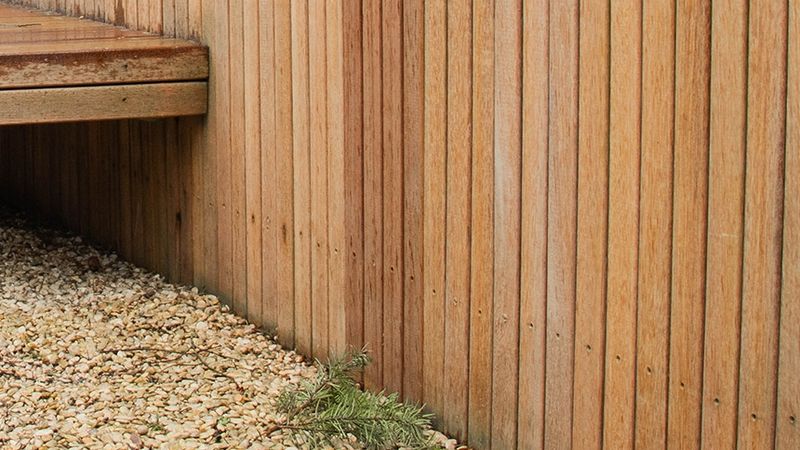
Apply a thin layer of Osmo Natural Oil Stain with a flat brush or block brush. Work in the direction of the wood grain for an even result.
Apply second layer
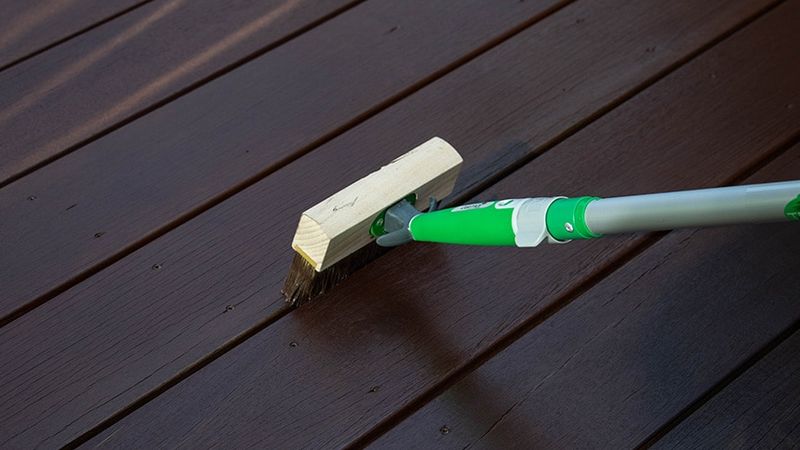
Allow the first coat to dry for 12 to 24 hours. Then apply a second coat for longer protection against UV radiation, moisture, and dirt.
Benefits of Osmo Natural Oil Stain
Osmo Natural Oil Stain offers optimal protection and a natural look. This product has been specially developed for outdoor applications, including fences made of various types of wood.
- Protects against UV radiation, moisture, and dirt
- Based on natural oils and waxes
- Penetrates deep into the wood without forming a film
- Available in 19 colors
- Also suitable for hardwoods such as teak, larch, and Douglas fir
Tips for staining a fence
- Stain on a dry day at a minimum of 10°C.
- Work from top to bottom to prevent drips.
- Unsure about the color? Order a sample to test on a small piece of wood.
Supplies
To stain your fence without sanding, you need the following:
Tot slot zal je ook nog een emmer met lauw water nodig hebben.
Color examples
Osmo Natural Oil Stain is available in 19 colors, from transparent to opaque. The color selection is not tied to a specific wood type.
Please note: if you want good UV protection, choose a variant with color pigment. The colorless variant (701) offers limited protection against sunlight.
Here are the most popular colors:
Osmo Natural Oil Stain
Maintenance advice
– Remove green deposits twice a year with Osmo Patio Cleaner
– Check annually whether it is necessary to apply a new protective layer
– Use the Natural Oil Stain again or touch up with a thin layer
– Has the wood turned grey? Then de-grey first with Osmo Power-Gel
Frequently asked questions
This tutorial belongs to
What you need for this tutorial;
Need help with your DIY project?
Are you looking for a tutorial or do you have a technical question?
DIY help needed?
find a step-by-step guide for your project in our tutorial overview