What is the best way to paint stairs?
This article explains step by step how to paint wooden stairs for a fresh look and long-lasting protection against wear and slipping. You will learn which paint is most suitable, how to prepare and sand the stairs properly, which materials you need and how to apply the coats for the best result. We also cover maintenance after painting and how to clean the stairs safely so they stay beautiful for as long as possible.
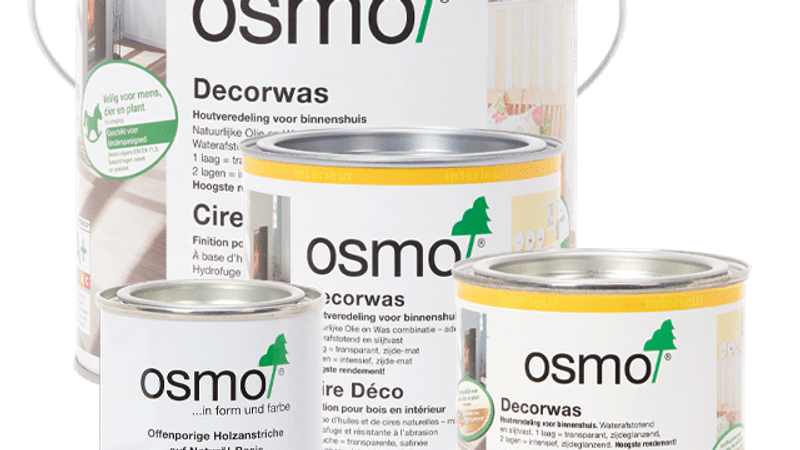
What you need for this tutorial;
Want to transform your stairs step by step with paint? In this article, you will discover how a lick of paint can refresh your stairs and which paint is best to use. From preparation to finishing, we guide you through the whole process so your stairs look great again in no time!
Why paint your stairs?
Painting wooden stairs is not only a way to give your interior a fresh new look, it also serves a practical purpose. A well-applied coat protects the wood against wear, scratches and damage, extending the life of the stairs. It can also improve safety if you add an anti-slip top coat. Whether you go for a dramatic color change or a subtle shade, painting your stair treads can have a considerable impact on the overall atmosphere of your home.
Watch the video below for a handy step-by-step plan for painting your stairs (in Dutch).

TRAP VERVEN: Hoe Schilder ik een Trap ?! | Osmo Nederland
Choose the right paint
Giving your wooden stairs a fresh look is probably the main reason you want to paint them. But wouldn't it be great if you could protect the whole staircase better at the same time? Your choice of paint matters more than you might think. A regular paint, based on latex or solvents, applies a protective color layer on top of the wood, but over time it can crack or peel due to wear. For a heavily used surface such as stairs, you may prefer a hard-wearing solution. In addition, a regular coat of paint can make wood very slippery, so you are more likely to slip on the stairs.
That is why it is better to choose an oil-based paint, such as Decorwas Creativ from Osmo. This paint not only provides excellent color coverage; because it penetrates the wood instead of sitting on top, it protects the wood from within against moisture, dirt and damage. As a result, the color layer will not crack or peel, and the wood grain and texture are preserved. Stairs treated with Osmo therefore stay much less slippery than painted stairs, so you are far less likely to slip. Always finish the color coat with a clear top coat of Osmo Hardwax-Olie Original, or choose Osmo Hardwax-Olie Anti-Slip for extra grip.
Before you start: supplies and preparation
Before you start painting your open or closed staircase, gather everything you need. Also think about how much paint you will need and choose a product that suits your type of wood and the look you want.
Supplies:
Supplies for painting stairs
Sanding the stairs before painting
Painting stairs starts with good preparation. Only with proper preparation can you achieve a good result when painting your stairs. Before you start the job, the stairs need to be prepared.
Make sure the stairs are clean and bare. Have the stairs just been installed? Then you can usually get started right away. If the painted stairs still have a lot of scratches or stains, or if there is still an old coat of paint on them, you will first need to sand them with a hand sander before applying the new coat. For an optimally bare and even surface, sand the stairs in three passes. Start with 40-grit sandpaper, continue with 80-grit and finish with 120-grit. The new paint will then adhere well to the wood. Always wear gloves, a dust mask and safety glasses while sanding the stairs. After sanding, remove all dust from the stairs with Osmo Easy Pads.
Are you planning to paint close to a wall? Then it may be useful to mask off a few areas. With an open staircase, cover the floor with plastic sheeting or a drop cloth. With these tips and supplies, you can get started right away. All that is left is to choose the color: do you want to paint your stairs black, or will you go for another dark color or white?
Want to paint your stairs without sanding?
Read our blog and watch the video on how to remove paint from wood. It explains how to remove old layers of paint, varnish or stain with Osmo Verf Remover Gel. You may also be able to remove glue residue with it, but test a small area first before treating the whole staircase.
Maintaining painted stairs
Now that you have finished painting your stairs, you naturally want to keep them looking good for as long as possible. To do this, you need to maintain the stairs properly. You can clean the stairs with a standard cleaning spray and a damp cloth. But be careful: some cleaning sprays can dry out or damage the protective layer of the stair paint. Want to avoid this risk? Then choose Osmo Spray-Cleaner. This cleaning spray contains a little wax, which helps nourish the protective layer while cleaning so that it lasts longer.
Step-by-step plan: painting wooden stairs
Ready to paint your stairs? We are happy to help you get started with a step-by-step plan.
Stir the can well
Stir the can of Decorwas Creativ well with the stirring stick for about a minute. This distributes the ingredients and pigments evenly through the product.
Paint the edges first
Start by painting the edges and the handrail. Use a brush for this. Apply a thin coat and work in the direction of the wood grain as much as possible.
Go over the edges again
Brush over the edges and handrail again with an almost dry brush, using light pressure. This spreads the product evenly and removes any brush marks.
Paint the large surfaces
Apply a thin coat of Decorwas Creativ to the large surfaces, such as the treads and risers, with a roller on a roller handle. Work in the direction of the wood grain as much as possible.
Go over the large surfaces again
Roll over the large surfaces again with an almost dry roller, using light pressure. This spreads the product evenly and removes any roller marks.
Let it dry
Let the stairs dry for at least 24 hours. Make sure there is good ventilation and a temperature of about 20 °C (68 °F).
Apply a top coat
Finish the stairs with a clear top coat of Osmo Hardwax-Olie Original or, for extra grip, Hardwax-Olie Anti-Slip. Apply it in the same way (see steps 2 to 5) and then let the stairs dry thoroughly.
Frequently asked questions
This tutorial belongs to
What you need for this tutorial;
We're happy to help
Looking for DIY advice or have a technical question?